
How GIS Surveys Power Smart Cities Using Satellite Imagery and Geospatial Intelligence

Modern cities face growing challenges—traffic congestion, rapid urban expansion, air pollution, and resource management. To address these issues, urban planners increasingly rely on GIS in smart cities, combining geographic information systems, satellite imagery, and remote sensing to create data-driven, efficient, and sustainable urban environments.
Today, smart city development depends on accurate spatial data provided by geospatial data providers, remote sensing services in India, and trusted satellite imagery providers in India. GIS transforms static maps into intelligent platforms that continuously monitor land, infrastructure, and environmental conditions.
How GIS in Smart Cities Works
Cities change every day. Roads deteriorate, traffic patterns evolve, and new buildings emerge. GIS surveys help city authorities track these changes in near real time using satellite imagery, drones, GPS, and ground sensors. Through GIS mapping and satellite image analysis, planners can visualize traffic density, rainfall patterns, urban heat islands, and land use changes on a single platform.
Speed is essential. When flooding, heat stress, or traffic congestion appears, GIS systems trigger alerts so authorities can respond quickly. Many smart city projects use high resolution satellite images in India from sources such as Cartosat, WorldView, and Pleiades, enabling precise planning while reducing operational costs.
Geospatial Maps: The Foundation of Smart Planning
Every smart city begins with a geospatial map. These maps guide decisions on housing, commercial zones, road networks, parks, and utilities. Beyond planning, GIS reveals environmental factors such as air pollution zones, surface temperature variation, and water flow patterns.
Using satellite imagery in India, planners can monitor urban expansion, identify heat-prone areas, and detect changes in land use and land cover. If pollution or heat levels rise in a specific zone, GIS highlights the issue early, allowing corrective action before it affects surrounding areas.
Safety, Disaster Preparedness, and Risk Mapping
Urban safety is a critical part of smart city planning. GIS and remote sensing help map flood-prone areas, fire risk zones, unstable land, and air quality hotspots. Remote sensing services in India provide frequent satellite updates that support proactive risk management.
Flood risks can be identified using elevation models and drainage analysis, while fire risks are monitored by tracking dry vegetation and surface temperature. GIS also helps cities plan green spaces, improving air quality and reducing urban heat.
nec ullamcorper mattis, pulvinar dapibus leo.
GIS in Daily City Operations:
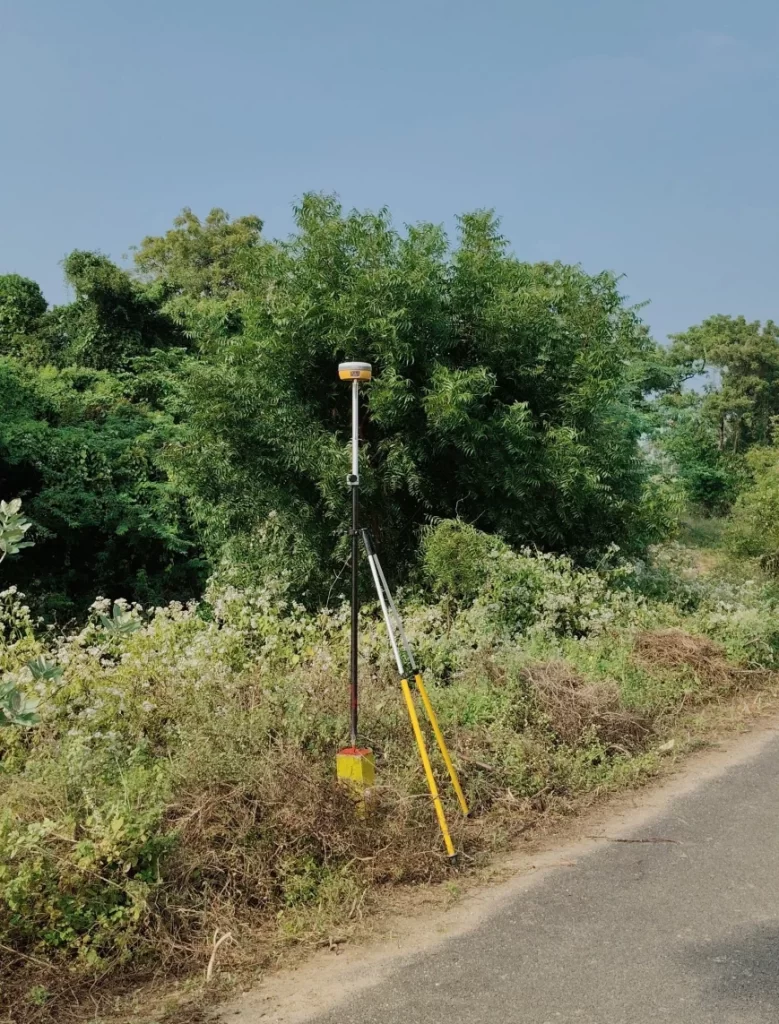
GIS supports smart cities around the clock by improving everyday services. Water management systems use GIS to detect leaks and monitor distribution. Traffic and road maintenance teams rely on spatial data to identify congestion points and damaged roads. Land zoning maps ensure that residential, industrial, and commercial developments remain well planned.
GIS also improves street lighting and waste management, helping cities optimize energy use and collection routes. To maintain accuracy, cities increasingly depend on updated satellite imagery from reliable geospatial and remote sensing companies.
Tracking Urban Growth with GIS Surveys:
Unplanned growth can strain infrastructure and resources. GIS surveys track land use changes and ensure development remains balanced. By continuously monitoring city expansion through satellite data and GIS mapping, planners can allocate land efficiently, redesign transport networks, and plan future infrastructure without disruption.
Conclusion:
Smart cities rely on GIS surveys, satellite imagery, and geospatial intelligence to operate efficiently and sustainably. From infrastructure planning and traffic management to environmental monitoring and disaster preparedness, GIS in smart cities provides clarity, speed, and accuracy. With support from trusted satellite imagery and remote sensing providers, cities can plan smarter and respond faster.
At Satpalda, we deliver the geospatial insights and satellite solutions needed to build resilient, future-ready smart cities