Earth Observation for Decision-Makers: A Practical Guide Across Industries
In today’s data-driven world, decision-makers are increasingly relying on earth observation technologies to gain accurate, real-time insights into complex environments. From governments and enterprises to research institutions, the ability to access and analyze satellite imagery, remote sensing data, and geospatial analytics has become a critical advantage.
This guide explores how earth observation data supports decision-making across industries, highlighting practical applications, technologies, and the value it brings to operational efficiency and strategic planning.
What is Earth Observation in Decision-Making?
Earth observation involves collecting information about the Earth’s surface using satellites, aerial sensors, and remote sensing technologies. When combined with Geographic Information Systems (GIS) and advanced analytics, this data becomes a powerful tool for decision-making.
For decision-makers, earth observation is not just about images—it’s about actionable insights. These insights help organizations monitor changes, assess risks, optimize resources, and plan for the future using data-driven geospatial intelligence.
Why Decision-Makers Rely on Earth Observation
Modern decision-making requires access to accurate, timely, and scalable data. Earth observation provides several key advantages:
Real-time monitoring of large geographic areas
High-resolution satellite imagery for detailed analysis
Historical data for trend analysis and forecasting
Cost-effective alternatives to ground surveys
Scalable insights across regions and industries
These capabilities allow organizations to make faster, more informed decisions with greater confidence.
Key Technologies Powering Earth Observation
Satellite Imagery
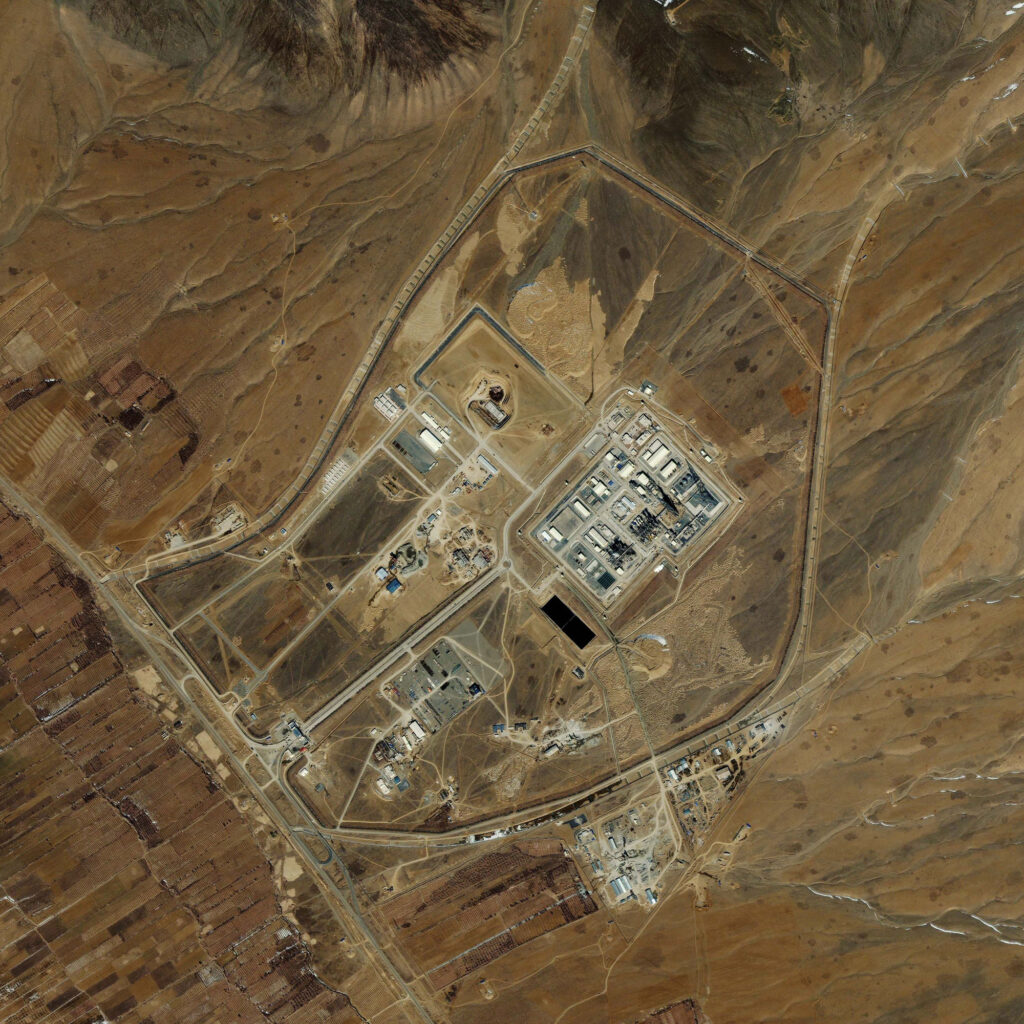
Satellite imagery forms the backbone of earth observation. It provides visual and analytical data for land use mapping, infrastructure monitoring, and environmental analysis. High-resolution imagery enables precise detection of changes over time.
Remote Sensing (Optical & SAR)
Remote sensing technologies capture data across different wavelengths. While optical sensors provide detailed imagery, Synthetic Aperture Radar (SAR) enables monitoring in all weather conditions. SAR is particularly useful for flood mapping, land deformation, and disaster monitoring.
GIS and Geospatial Analytics
GIS platforms integrate satellite data with spatial analysis tools, enabling decision-makers to visualize, interpret, and analyze geographic information. Geospatial analytics transforms raw data into meaningful insights for planning and operations.
AI and Data Analytics
Artificial intelligence enhances earth observation by automating image processing, object detection, and predictive modeling. AI-powered analytics allow organizations to extract insights from large datasets quickly and efficiently.
Industry Applications of Earth Observation
Agriculture and Precision Farming
In agriculture, earth observation supports crop monitoring, soil analysis, and yield prediction. Satellite imagery helps farmers detect crop stress, optimize irrigation, and improve productivity. These insights enable precision agriculture practices that reduce costs and increase efficiency.
Urban Planning and Infrastructure
Urban planners use earth observation to analyze land use patterns, infrastructure development, and population growth. Satellite data supports smart city initiatives, enabling better planning of transportation systems, utilities, and urban expansion.
Disaster Management and Emergency Response
Earth observation plays a critical role in disaster risk assessment and response. Satellite imagery provides real-time information during floods, earthquakes, and wildfires. Decision-makers can quickly assess damage, allocate resources, and coordinate response efforts.
Environmental Monitoring and Sustainability
Organizations use earth observation to monitor deforestation, climate change, water resources, and biodiversity. These insights support environmental conservation and sustainable resource management initiatives.
Mining and Resource Management
In mining, earth observation helps identify mineral zones, monitor land deformation, and track environmental impact. These insights improve operational efficiency and ensure compliance with environmental regulations.
Defense and Strategic Intelligence
Earth observation technologies are widely used in defense for surveillance, border monitoring, and strategic planning. High-resolution satellite imagery provides critical intelligence for national security operations.
Turning Data into Decisions: A Practical Approach
To effectively use earth observation, decision-makers must focus on:
Defining Clear Objectives
Identify what you want to achieve—whether it’s monitoring infrastructure, assessing risk, or optimizing resources.
Selecting the Right Data
Choose appropriate data sources such as optical imagery, SAR data, or hyperspectral datasets based on your use case.
Integrating GIS and Analytics
Combine satellite data with GIS tools to perform spatial analysis and visualization.
Leveraging Expert Support
Working with geospatial experts ensures accurate data interpretation and meaningful insights.
Implementing Scalable Solutions
Use cloud-based platforms and APIs to scale your geospatial workflows across regions and teams.
Challenges in Earth Observation Adoption
Despite its advantages, organizations may face challenges such as:
Managing large volumes of geospatial data
Understanding complex datasets
Integrating multiple data sources
Ensuring data accuracy and reliability
However, advancements in cloud GIS, AI analytics, and geospatial platforms are addressing these challenges, making earth observation more accessible than ever.
The Future of Earth Observation for Decision-Makers
The future of earth observation lies in real-time analytics, automation, and data integration. Emerging trends include:
Real-time satellite monitoring
AI-driven geospatial analytics
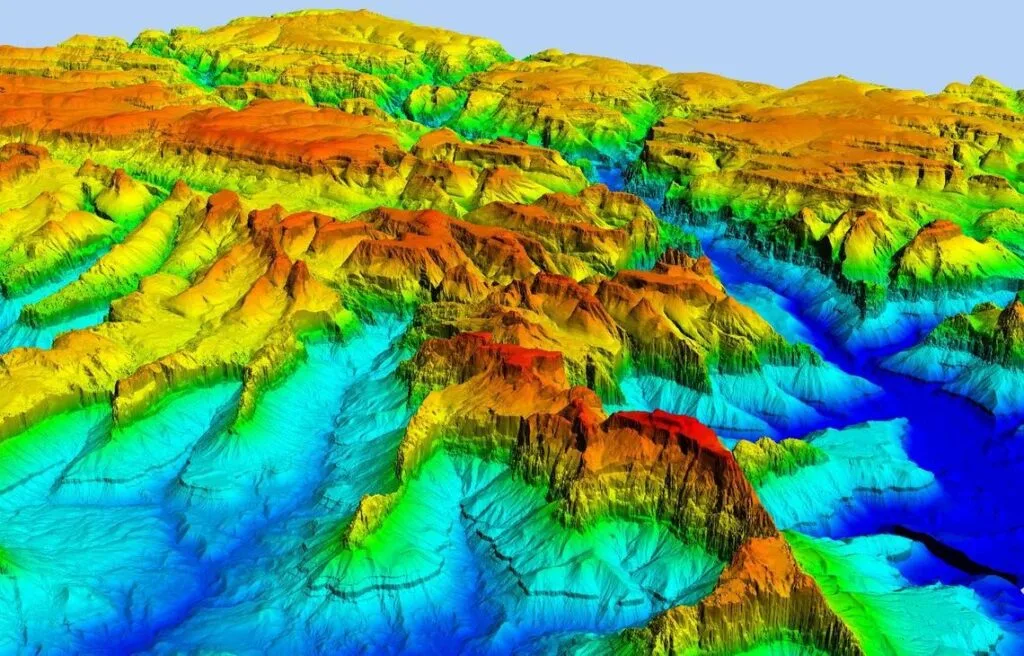
Integration of multi-sensor data (optical + SAR + LiDAR)
Digital twin technologies for cities and infrastructure
As these technologies evolve, decision-makers will have access to even more powerful tools for predictive analysis and strategic planning.
Conclusion
Earth observation is transforming how decision-makers approach complex challenges across industries. By leveraging satellite imagery, remote sensing technologies, and geospatial analytics, organizations can gain deeper insights, improve efficiency, and make informed decisions.
As the demand for data-driven intelligence continues to grow, earth observation will play an increasingly important role in shaping the future of industries, enabling smarter, faster, and more sustainable decision-making.