
From Space to Strategy: Turning Earth Observation Data into Real-World Impact
Introduction: Bridging the Gap Between Data and Decisions
Earth Observation (EO) satellites continuously capture vast amounts of data about our planet—its land, oceans, atmosphere, and human activity. However, data alone does not create value. The real impact of Earth Observation emerges when satellite data is transformed into actionable intelligence that informs strategy, policy, and operational decisions.
By 2026, Earth Observation has matured from a data-centric discipline into a decision-driven ecosystem. Governments, enterprises, and international organizations now rely on EO insights to manage risk, improve efficiency, enhance sustainability, and respond proactively to global challenges.
This article explores how Earth Observation data moves from space to strategy, the technologies enabling this transformation, and the real-world applications delivering measurable impact across industries.
Understanding the Earth Observation Value Chain
From Satellite Sensors to Ground Systems
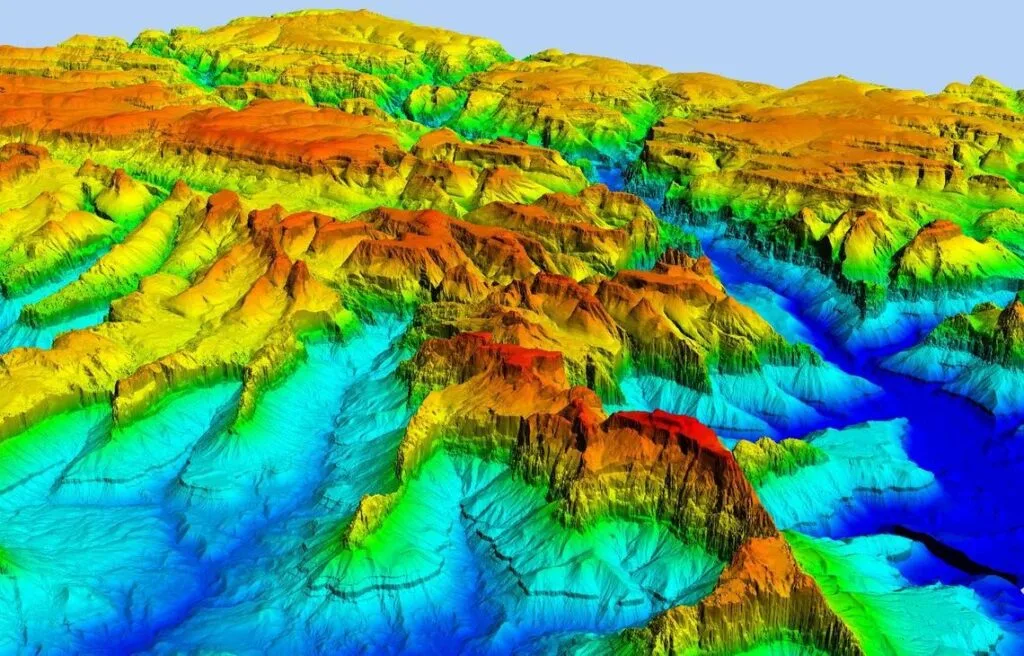
Earth Observation begins with satellites equipped with optical, SAR, hyperspectral, and thermal sensors orbiting the Earth. These sensors capture raw data that is transmitted to ground stations, calibrated, and processed into usable imagery and datasets.
However, raw satellite data is only the first step. Without interpretation, integration, and analysis, it remains largely untapped potential
The Shift from Data Delivery to Intelligence Delivery
In 2026, EO providers increasingly focus on delivering decision-ready intelligence rather than raw imagery. This shift is driven by user demand for insights that answer specific questions, reduce uncertainty, and support strategic planning.
Organizations such as NASA and European Space Agency have been instrumental in advancing this transition by promoting open data, analytics platforms, and AI-driven Earth science applications.
Enabling Technologies Behind Strategic EO Impact
Artificial Intelligence and Advanced Analytics
Artificial intelligence is the engine that transforms EO data into strategic insight. Machine learning models automate feature extraction, change detection, and pattern recognition across massive datasets.
AI enables organizations to:
- Monitor trends across large geographies
- Detect anomalies and emerging risks
- Forecast future scenarios
- Reduce reliance on manual interpretation
High-resolution imagery from providers like Vantor is now routinely processed through AI pipelines to generate intelligence products for urban planning, infrastructure monitoring, and security analysis.
Cloud Computing and Scalable Processing
Cloud-native platforms allow EO data to be processed and analyzed at scale. Instead of downloading massive datasets, users access analytics directly through cloud environments that integrate satellite data with GIS, IoT, and enterprise systems.
This scalability is essential for national-level monitoring, global supply chain analysis, and climate modeling.
From Observation to Insight: Turning Data into Strategy
Contextualizing Satellite Data
Satellite imagery gains strategic value only when combined with context—historical trends, ground data, domain knowledge, and socioeconomic indicators.
For example, urban expansion mapped through EO becomes a strategic input when correlated with population growth, infrastructure demand, and environmental constraints.
This scalability is essential for national-level monitoring, global supply chain analysis, and climate modeling.
Multisensor Data Fusion
Strategic EO solutions increasingly rely on data fusion. Optical imagery provides visual clarity, SAR enables all-weather monitoring, and hyperspectral data reveals material composition.
When combined, these datasets deliver more reliable, comprehensive insights than any single sensor alone.
Real-World Impact Across Key Sectors
Climate Change and Environmental Strategy
Earth Observation plays a central role in climate intelligence. EO data supports:
- Deforestation and biodiversity monitoring
- Glacier retreat and sea-level rise assessment
- Carbon stock estimation and ESG reporting
- Air and water quality monitoring
Governments and corporations use these insights to meet sustainability targets, design climate adaptation strategies, and comply with environmental regulations.
Agriculture and Food Security Planning
EO-driven analytics help governments and agribusinesses monitor crop health, drought conditions, irrigation efficiency, and yield forecasts. These insights enable better policy planning, subsidy allocation, and food security management.
Satellite data allows early intervention—reducing losses and improving resilience in agricultural systems.
Urban Development and Infrastructure Management
Urban planners use EO intelligence to track land-use changes, infrastructure growth, and informal settlements. SAR-based monitoring identifies subsidence and structural risks in roads, bridges, and utilities.
This strategic use of EO supports long-term urban resilience and smart city development.
Satellite data allows early intervention—reducing losses and improving resilience in agricultural systems.
Disaster Risk Reduction and Emergency Strategy
Proactive Risk Monitoring
Earth Observation enables proactive disaster risk assessment by identifying flood-prone zones, landslide risks, wildfire susceptibility, and coastal erosion.
By integrating EO insights into planning frameworks, governments can reduce disaster impact before events occur.
Rapid Response and Recovery
During disasters, near-real-time satellite imagery supports rapid damage assessment, insurance claims, humanitarian aid deployment, and recovery planning.
Small satellite constellations operated by companies like SATPALDA provide frequent updates that are critical during fast-evolving emergencies.
EO in Defense, Security, and Strategic Intelligence
Defense and security agencies increasingly rely on EO for border monitoring, maritime surveillance, and situational awareness. AI-driven analytics detect changes in infrastructure, troop movement patterns, and vessel activity.
EO provides strategic visibility without physical presence, reducing risk while enhancing intelligence capabilities.
Measuring Impact: From Maps to Outcomes
The success of EO strategies is measured not by data volume, but by outcomes:
- Reduced risk and uncertainty
- Faster, more informed decision-making
- Cost savings through predictive maintenance
- Improved sustainability and resilience
In 2026, leading organizations embed EO intelligence directly into operational workflows and executive dashboards, ensuring insights lead to action.
Challenges and the Path Forward
Despite its progress, EO still faces challenges related to data integration, model transparency, and skill gaps. Human expertise remains essential for validating AI outputs and ensuring responsible use.
The future lies in human-in-the-loop systems, greater interoperability, and tighter integration between EO, AI, and enterprise decision platforms.
Conclusion: From Space to Strategy
Earth Observation has evolved into a strategic asset that shapes policy, drives business decisions, and supports global sustainability goals. The journey from space to strategy is no longer theoretical—it is happening now, delivering real-world impact across sectors.
As EO technologies continue to advance, organizations that successfully translate satellite data into actionable strategy will lead in resilience, innovation, and informed decision-making.