How Satellite Data is Transforming Urban Planning and Land-Use Decisions
Satellite Data and the Future of Urban Planning
Cities across the world are expanding at an unprecedented pace. Rapid population growth, infrastructure demand, and environmental pressures are forcing governments and planners to rethink how cities are designed and managed. Traditional surveying methods and manual data collection often fail to provide the scale, accuracy, and frequency of updates required for modern urban planning.
This is where satellite imagery and geospatial intelligence have become essential. High-resolution earth observation data allows planners to monitor land use, track urban expansion, and evaluate infrastructure development across entire regions. By combining satellite imagery for urban planning with GIS and data analytics, cities can make informed decisions that support sustainable growth.
Satellite data provides a consistent and objective view of the Earth’s surface, enabling planners to analyze patterns of urban growth, detect land-use changes, and assess environmental impacts. As cities continue to expand, satellite-based urban intelligence is becoming a foundational tool for evidence-based planning and policy development.
Satellite data is transforming how cities understand themselves. From monitoring urban expansion to planning infrastructure and managing environmental risks, Earth observation provides planners with a clear, objective view of change. With accurate geospatial intelligence, cities can move from reactive development to smarter, sustainable, and data-driven urban planning.
Understanding Satellite-Based Urban Intelligence
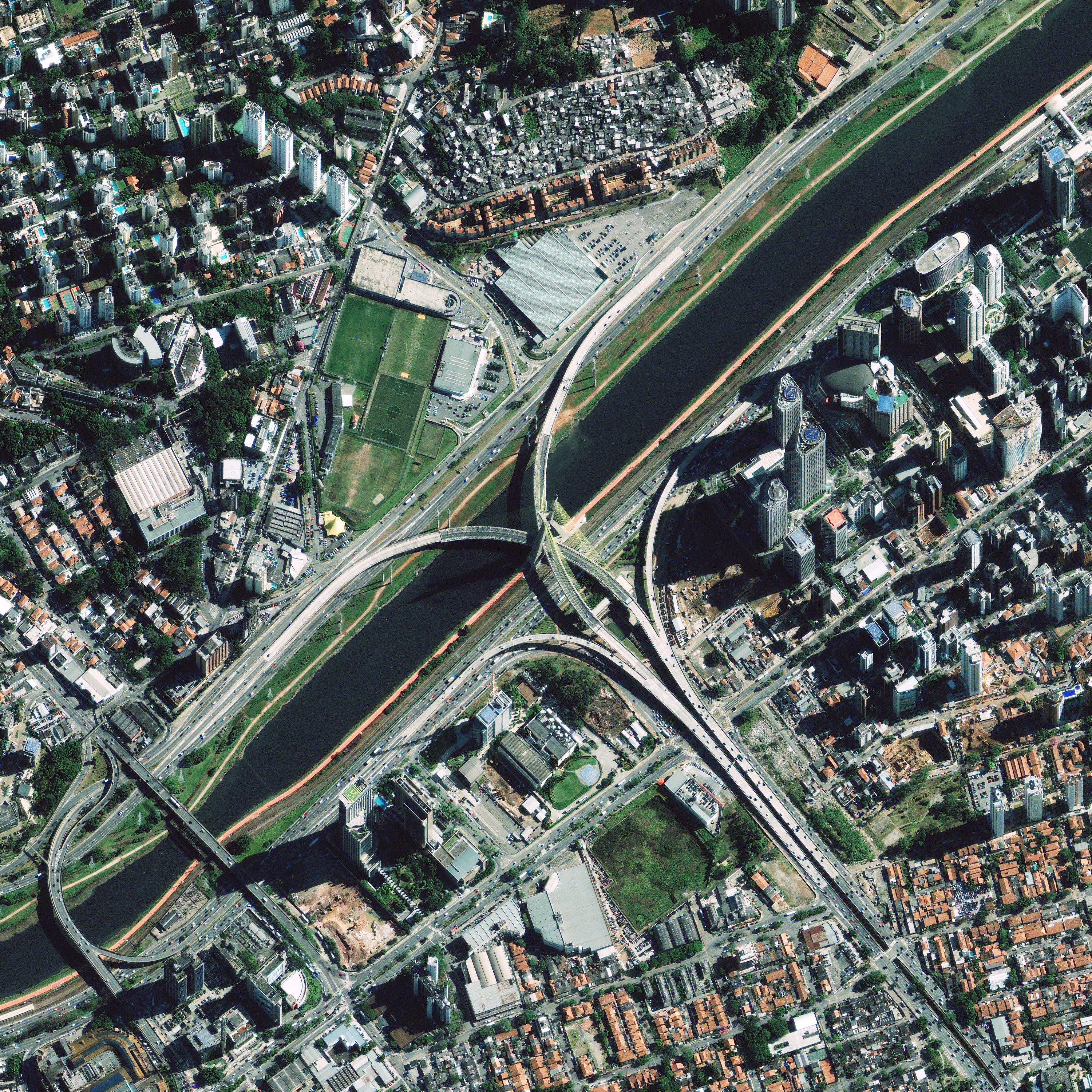
Satellite-based urban intelligence refers to the use of satellite imagery, geospatial analysis, and earth observation data to support urban planning and land-use management. Instead of relying solely on ground surveys, planners can use high-resolution imagery and analytical tools to monitor urban areas at a regional or national scale.
Several types of satellite data contribute to this process. Optical satellite imagery provides detailed visual information about buildings, roads, and land cover. Synthetic Aperture Radar (SAR) enables monitoring even in cloudy or night-time conditions, which is especially useful for infrastructure monitoring and disaster assessment. Multispectral imagery helps identify vegetation health, soil conditions, and environmental changes, while night-time satellite imagery reveals patterns of urban activity and energy consumption.
When integrated with GIS platforms and geospatial analytics, these datasets transform raw imagery into actionable planning insights. Governments, urban planners, and infrastructure agencies increasingly rely on satellite intelligence to guide long-term development strategies.
Challenges in Urban Development and Land-Use Planning
Urban planners face several complex challenges that make effective city management difficult. Rapid urbanization often leads to uncontrolled urban expansion, where cities grow outward without proper planning. This frequently results in inefficient land use and infrastructure strain.
Another major issue is the growth of informal settlements and unplanned construction, which can complicate zoning regulations and infrastructure planning. Without accurate spatial data, authorities may struggle to monitor illegal development or land encroachment.
Cities also face environmental pressures such as loss of green spaces, water resource depletion, and pollution, while transportation systems often struggle to keep up with growing populations. In addition, many urban regions are vulnerable to natural hazards such as floods, landslides, or coastal erosion, which require accurate risk mapping and planning.
A lack of reliable and updated spatial information can worsen these issues. Satellite imagery provides a scalable solution by offering continuous monitoring of urban landscapes.
How Satellite Data Supports Land-Use Planning
One of the most valuable applications of satellite imagery for urban planning is monitoring how cities change over time. By analyzing multi-temporal satellite imagery, planners can track urban expansion, identify new construction, and observe shifts in land-use patterns.
Satellite data also supports land-use classification and zoning, helping authorities understand how land is being utilized across residential, commercial, industrial, and agricultural areas. This information is critical for maintaining balanced urban development.
Infrastructure planning is another major benefit. Planners can analyze satellite imagery to identify optimal locations for transportation corridors, new roads, and utility networks. Similarly, green space monitoring helps cities protect parks, forests, and ecological zones within urban boundaries.
Satellite imagery also plays an important role in environmental impact assessment, enabling governments to evaluate how development projects affect ecosystems, water bodies, and surrounding landscapes. In the context of smart cities, satellite data provides a reliable foundation for data-driven urban governance and sustainable development planning.
Technologies Powering Satellite-Based Urban Planning
Advancements in technology have significantly improved how satellite data is used in urban planning. High-resolution satellite imagery now provides extremely detailed views of urban infrastructure and land cover.
At the same time, GIS platforms and geospatial analytics tools allow planners to process and visualize large volumes of satellite data. Modern algorithms can automatically detect land-use changes, identify infrastructure patterns, and monitor urban growth.
Artificial intelligence and machine learning are also playing a growing role in urban mapping and satellite image analysis. These technologies enable automated classification of buildings, roads, vegetation, and other land features.
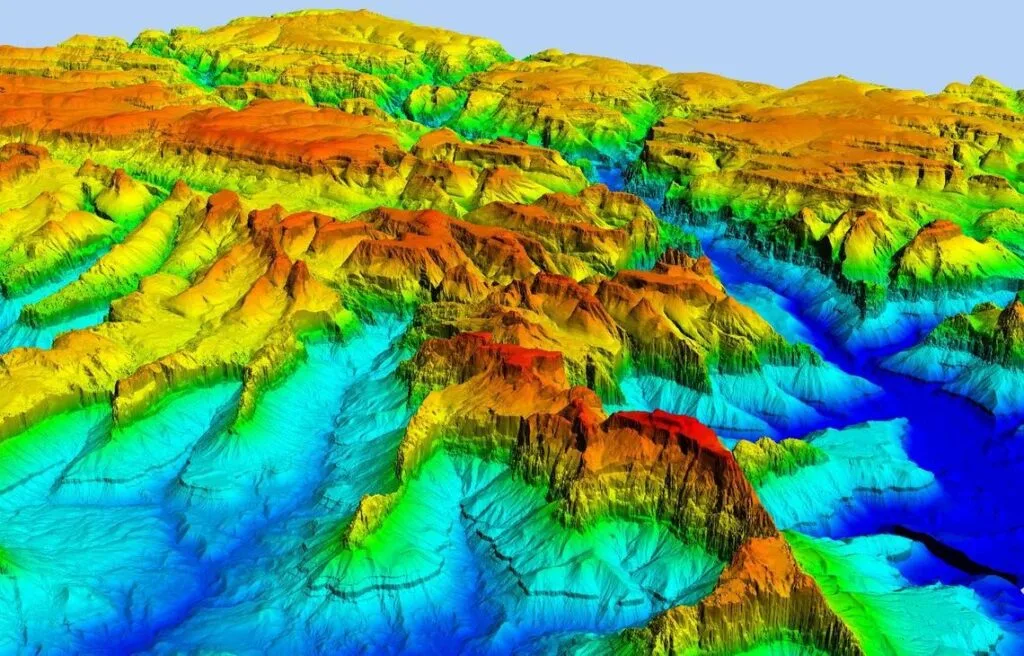
Another emerging capability is 3D city modelling, which uses satellite data to create digital representations of urban environments. Combined with monitoring dashboards and analytical platforms, these technologies transform raw satellite imagery into practical planning intelligence.
Applications Across Government and Industry
Satellite data supports a wide range of urban planning applications across both government and industry. Smart city initiatives rely on satellite imagery to analyze urban growth patterns and improve infrastructure planning.
Authorities can also use satellite intelligence to detect illegal construction or land encroachment, ensuring compliance with zoning regulations. In transportation planning, satellite imagery helps identify optimal routes for highways, rail networks, and transit systems.
Environmental agencies rely on earth observation data to monitor urban pollution, manage green spaces, and assess environmental compliance. Satellite imagery is also widely used in disaster risk planning, helping authorities identify flood-prone zones and vulnerable infrastructure.
These capabilities make satellite intelligence a critical tool for managing complex urban systems.
The Future of Satellite Data in Urban Planning
As technology evolves, satellite data will play an even greater role in urban governance. AI-powered analytics will allow cities to process massive datasets quickly, enabling near real-time monitoring of urban changes.
Digital twins of cities—virtual models that simulate urban environments—are also becoming possible through high-resolution satellite data and geospatial analytics. Combined with IoT sensors and smart infrastructure, these systems will support predictive planning and climate-resilient urban development.
In the coming years, satellite intelligence will become central to how cities are planned, monitored, and managed.