10 Powerful Applications of Satellite Imagery You Should Know
Satellite imagery has become one of the most powerful tools in modern decision-making. From tracking environmental changes to supporting infrastructure development, satellite imagery and Earth observation data are transforming how industries operate.
With advancements in remote sensing, GIS mapping, and geospatial analytics, organizations can now monitor large areas with precision and make data-driven decisions faster than ever before.
Here are 10 powerful applications of satellite imagery that are shaping industries worldwide.
1. Urban Planning and Smart City Development
Satellite imagery plays a crucial role in urban planning and smart city initiatives. Planners use high-resolution satellite data to map land use, monitor urban expansion, and design infrastructure efficiently.
By analyzing satellite imagery and GIS data, authorities can identify suitable areas for development, manage zoning regulations, and improve city planning strategies.
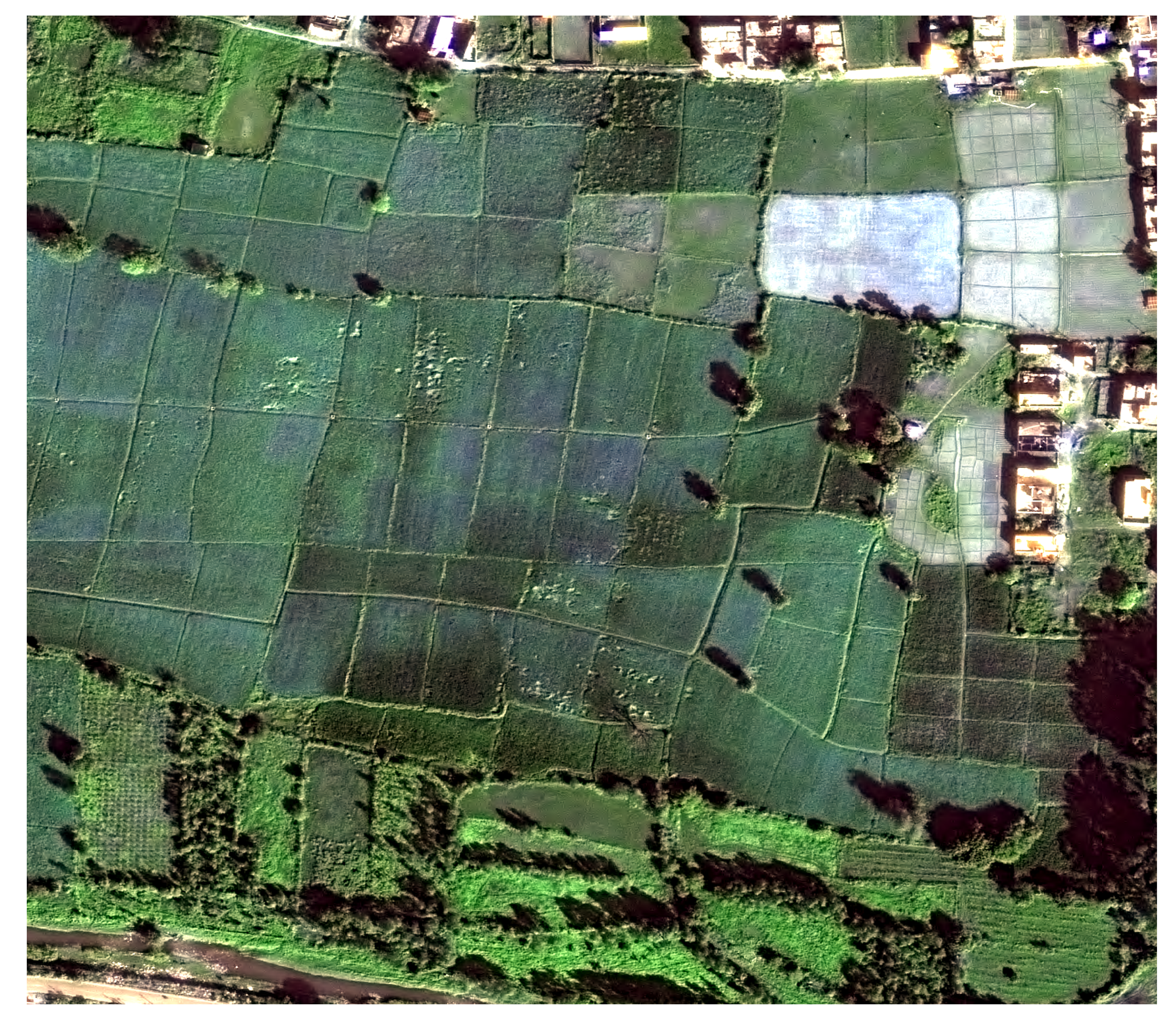
2. Agriculture Monitoring and Precision Farming
In agriculture, satellite imagery is widely used for crop monitoring, soil analysis, and yield prediction. Farmers and agribusinesses rely on remote sensing data to track crop health, detect pest infestations, and optimize irrigation.
This approach, known as precision agriculture, helps improve productivity while reducing resource wastage.
3. Disaster Management and Risk Assessment
Satellite imagery is essential for disaster management and emergency response. It provides real-time insights into natural disasters such as floods, earthquakes, landslides, and wildfires.
Authorities use satellite data to:
- Identify affected areas
- Plan rescue operations
- Assess damage quickly
This enables faster response and better disaster preparedness.
4. Environmental Monitoring and Climate Analysis
Environmental agencies use satellite imagery to monitor deforestation, climate change, and biodiversity loss.
With multi-temporal satellite data, analysts can track long-term environmental changes such as:
- Glacier retreat
- Forest cover loss
- Air and water pollution
Satellite-based monitoring supports sustainable environmental management.
5. Land Use and Land Cover (LULC) Mapping
One of the most common applications of satellite imagery is land use and land cover mapping.
Using GIS and remote sensing, organizations can classify land into categories such as urban areas, forests, agriculture, and water bodies.
This information is critical for:
- Urban planning
- Resource management
- Environmental conservation
6. Infrastructure Monitoring and Development
Satellite imagery helps track infrastructure projects and construction progress.
Companies and governments can monitor:
- Road and highway development
- Railway networks
- Pipeline installations
- Large-scale construction projects
This ensures better project management and reduces delays.
7. Mining and Natural Resource Management
In the mining sector, satellite imagery is used for resource exploration and environmental monitoring.
It helps identify mineral-rich zones, track mining activities, and assess environmental impact.
Geospatial analysis ensures that mining operations remain efficient and compliant with regulations.
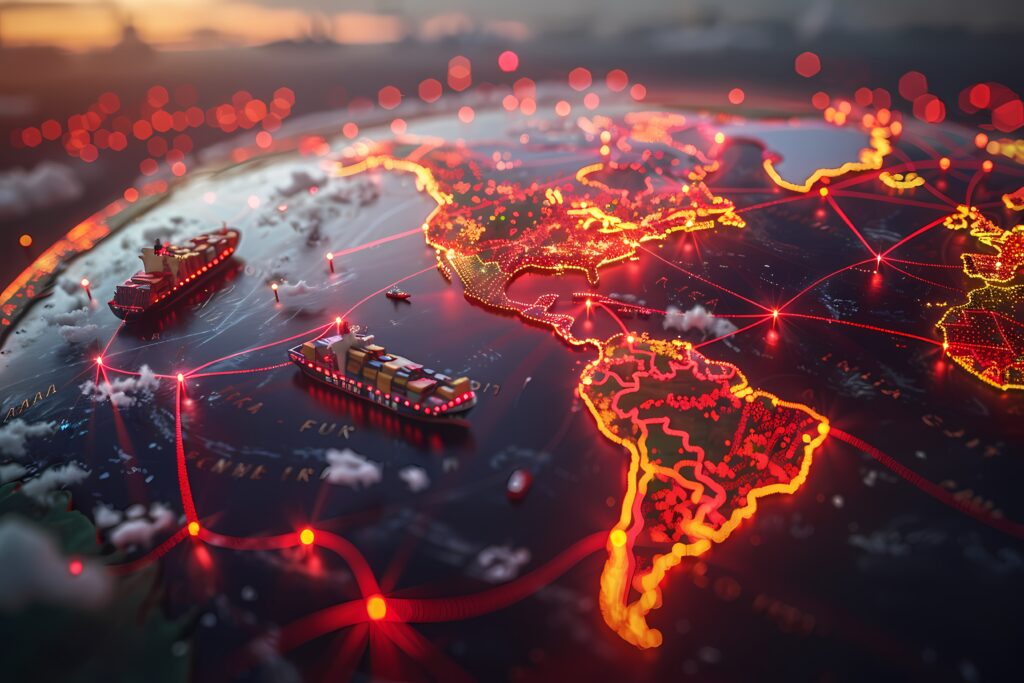
8. Maritime Surveillance and Vessel Detection
Satellite imagery plays a key role in maritime monitoring and security.
Using advanced technologies like Synthetic Aperture Radar (SAR), authorities can:
- Detect vessels at sea
- Monitor illegal fishing activities
- Track maritime traffic
This is crucial for national security and ocean resource management.
9. Weather Forecasting and Climate Monitoring
Satellite imagery is fundamental to weather forecasting and climate analysis.
Meteorological agencies use satellite data to monitor:
- Cloud patterns
- Storm systems
- Temperature variations
This helps predict weather conditions and prepare for extreme events.
10. Defence and Security Applications
Satellite imagery is widely used in defence and security operations.
It supports:
- Border surveillance
- Strategic monitoring
- Intelligence gathering
High-resolution satellite data enables governments to monitor sensitive areas and ensure national security.
Why Satellite Imagery is More Important Than Ever
The demand for high-resolution satellite imagery and geospatial intelligence is growing rapidly across industries.
With the rise of:
- AI-powered geospatial analytics
- Cloud-based GIS platforms
- Real-time satellite monitoring
Satellite data is becoming more accessible and actionable.
Organizations are no longer limited to static maps—they can now use dynamic satellite imagery and spatial data to make informed decisions.
Conclusion
Satellite imagery has evolved from a niche technology into a core component of modern decision-making.
From agriculture and urban planning to disaster management and defence, its applications are vast and continuously expanding.
By leveraging satellite imagery, remote sensing, and GIS technologies, businesses and governments can gain deeper insights, improve efficiency, and respond to challenges more effectively.
As technology advances, satellite imagery will continue to play a critical role in shaping a smarter, more sustainable future.