6 Powerful Reasons Businesses Need Geospatial Analytics Today
In today’s data-driven world, businesses are constantly searching for ways to gain a competitive edge. While traditional data analytics focuses on numbers and trends, it often misses one critical dimension—location. This is where geospatial analytics comes into play.
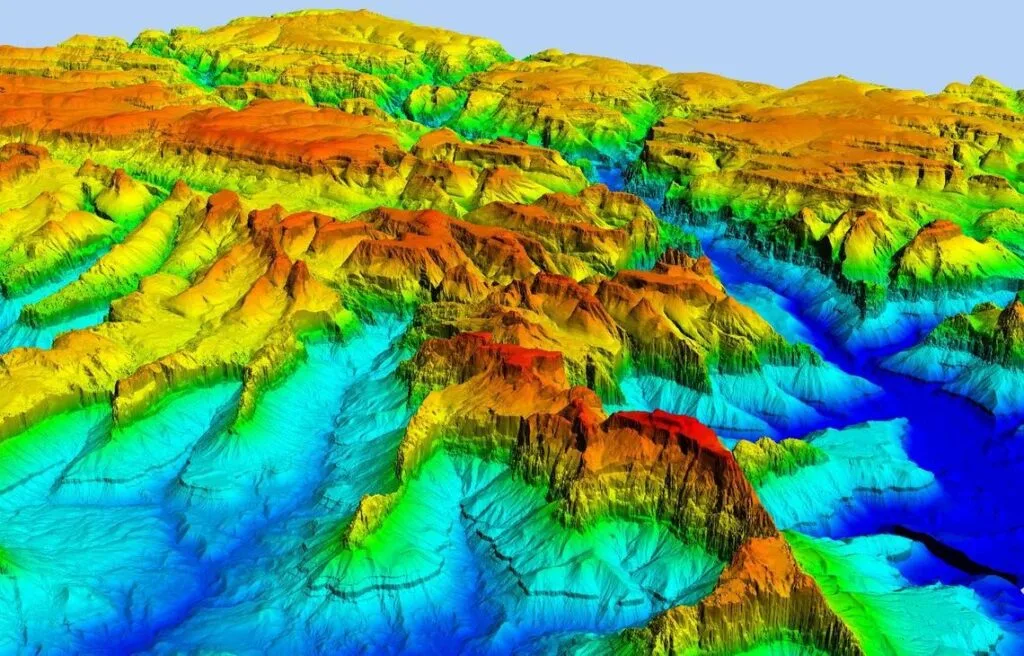
By combining GIS (Geographic Information System), satellite imagery, and spatial data analysis, geospatial analytics allows organizations to visualize, analyze, and interpret data based on location. From infrastructure planning to environmental monitoring, businesses are increasingly relying on geospatial intelligence to make smarter and faster decisions.
Here are six powerful reasons why businesses need geospatial analytics today.
1. Data-Driven Decision Making with Location Intelligence
Modern businesses generate massive amounts of data, but without context, that data is incomplete. Geospatial analytics adds location intelligence, transforming raw data into meaningful insights.
By integrating GIS mapping and satellite imagery analysis, companies can:
- Identify patterns and trends based on geography
- Analyze market demand across regions
- Optimize resource allocation
- Improve strategic planning
For example, a retail company can use spatial data to determine the best locations for new stores, while infrastructure firms can plan projects based on terrain and land-use data.
This ability to combine data with geography enables more accurate, data-driven decision-making.
2. Enhanced Monitoring and Real-Time Insights
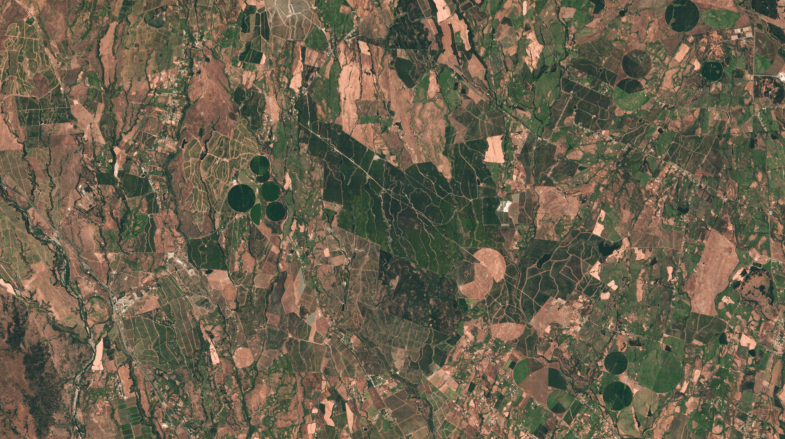
One of the biggest advantages of geospatial analytics is its ability to provide real-time monitoring using satellite imagery and Earth observation data.
Businesses can track:
- Infrastructure development and construction progress
- Environmental changes such as deforestation or land degradation
- Asset movement and operational activity
- Disaster impacts and risk zones
With access to high-resolution satellite imagery and geospatial dashboards, organizations can monitor large areas remotely without relying on time-consuming field surveys.
This leads to faster insights and improved operational efficiency.
3. Improved Risk Management and Disaster Preparedness
Risk is a major concern for industries such as construction, mining, agriculture, and urban planning. Geospatial analytics helps identify and mitigate risks before they escalate.
Using satellite imagery and spatial analysis, businesses can:
- Detect flood-prone areas and landslide zones
- Monitor environmental hazards
- Assess climate risks and vulnerabilities
- Track land deformation and subsidence
For example, infrastructure companies can avoid high-risk zones during project planning, while governments can use geospatial intelligence for disaster preparedness and response.
This proactive approach significantly reduces potential losses and enhances resilience.
4. Operational Efficiency and Cost Optimization
Traditional methods of data collection, such as field surveys, are expensive and time-consuming. Geospatial analytics offers a cost-effective alternative by providing large-scale insights through satellite data.
With GIS mapping solutions and remote sensing technologies, businesses can:
- Reduce dependency on manual surveys
- Optimize logistics and supply chains
- Monitor assets remotely
- Improve workflow efficiency
For instance, companies can use satellite imagery to monitor construction progress instead of sending teams on-site frequently.
This leads to significant cost savings and improved productivity.
5. Competitive Advantage Through Advanced Analytics
In highly competitive industries, having access to better insights can make all the difference. Geospatial analytics provides a strategic advantage by offering deeper and more accurate analysis.
Businesses can leverage:
- Spatial data visualization for better understanding
- Geospatial intelligence platforms for advanced analytics
- Satellite imagery analysis for detailed observations
This allows companies to identify opportunities, track competitors, and respond quickly to market changes.
For example, urban developers can analyze growth patterns to invest in high-potential areas, while agricultural businesses can optimize crop yield using spatial data.
In essence, geospatial analytics turns data into a powerful competitive asset.
6. Scalable Solutions for Multiple Industries
One of the most compelling reasons to adopt geospatial analytics is its versatility. It is widely used across industries, including:
- Urban Planning & Smart Cities – Land-use mapping and infrastructure development
- Agriculture – Crop monitoring and precision farming
- Mining & Natural Resources – Resource exploration and environmental monitoring
- Disaster Management – Risk mapping and emergency response
- Environmental Monitoring – Deforestation tracking and climate analysis
With advancements in cloud-based GIS, WebGIS platforms, and satellite data analytics, geospatial solutions are becoming more accessible and scalable for businesses of all sizes.
The Future of Geospatial Analytics
As technology continues to evolve, geospatial analytics is becoming even more powerful with the integration of:
- Artificial Intelligence (AI)
- Machine Learning (ML)
- Real-time satellite monitoring
- Digital twin technology
These innovations are enabling businesses to move from reactive decision-making to predictive and proactive strategies.
The future of geospatial analytics lies in its ability to deliver real-time, automated, and highly accurate insights that drive smarter decisions across industries.
Conclusion
In a world where data is abundant but insights are scarce, geospatial analytics bridges the gap by adding the power of location intelligence.
From improving decision-making and reducing risks to optimizing operations and gaining a competitive advantage, the benefits of geospatial analytics are undeniable.
Businesses that leverage GIS mapping, satellite imagery, and geospatial data analysis are better equipped to navigate complex challenges and unlock new opportunities.
As industries continue to evolve, adopting geospatial analytics is no longer optional—it is essential for data-driven growth and long-term success.